Patient guide + clinician detail

What causes Alzheimer's?

Dementia is not one disease. It is a syndrome where brain changes become severe enough to interfere with daily life, memory, language, judgment, behavior, movement, attention, or independence.

Urgent warning: sudden confusion, new weakness or facial droop, seizure, head injury, fever with stiff neck, severe headache, hallucinations with danger, or a rapid change over hours to days can be an emergency. This site is educational and cannot diagnose or treat an individual person.

Choose the language level

Plain language for patients. Medical detail for doctors.

First principle

Dementia describes the level of impairment. The cause may be Alzheimer pathology, blood vessel injury, Lewy bodies, frontotemporal degeneration, alcohol-related brain injury, or mixed disease.

Memory loss is only one possible doorway into dementia. Some people first have trouble planning, driving, finding words, judging risk, recognizing visual information, controlling emotions, sleeping normally, or walking steadily.

The cause matters because testing, safety planning, family counseling, medication choices, prognosis, and treatment options can differ by dementia type. Many people have more than one brain process at the same time.

Start with syndrome, tempo, domain pattern, functional impact, medication/toxin burden, delirium screen, mood/sleep contributors, neurologic signs, vascular risk, family history, and collateral history. Then phenotype the likely substrate: AD, DLB/PDD, FTD spectrum, VCID/VaD, alcohol-related cognitive disorder/Wernicke-Korsakoff, prion, NPH, inflammatory, infectious, metabolic, neoplastic, traumatic, or mixed.

Current diagnosis increasingly integrates clinical phenotype with structural imaging, cognitive testing, labs for reversible contributors, and selected biomarkers such as CSF, amyloid/tau PET, and emerging blood tests when appropriate and available.

Types of dementia

The name often points to the main brain system being injured.

Common clinical-pathologic categories, with overlap expected.

Most common

Alzheimer's disease

Often begins with short-term memory trouble, repeating questions, misplacing items, or getting lost. It is linked with amyloid plaques, tau tangles, synapse loss, and brain shrinkage.

Typical amnestic AD involves entorhinal/hippocampal networks early, but atypical variants include posterior cortical atrophy, logopenic PPA, dysexecutive/frontal AD, and mixed AD-vascular or AD-Lewy phenotypes.

Lewy bodies

Lewy body dementia

May cause fluctuating alertness, visual hallucinations, REM sleep behavior, Parkinson-like movement, falls, fainting, and sensitivity to some antipsychotic medicines.

Includes dementia with Lewy bodies and Parkinson's disease dementia. Core features include cognitive fluctuations, recurrent visual hallucinations, RBD, and spontaneous parkinsonism; biomarkers may support but do not replace clinical diagnosis.

Behavior/language

Frontotemporal dementia

Often starts younger than typical Alzheimer's. Early changes may involve personality, judgment, empathy, compulsive behavior, eating, speech, or word meaning before memory is the main issue.

FTD spectrum includes bvFTD, semantic and nonfluent/agrammatic PPA, FTD-MND, PSP, and CBS phenotypes, with tau, TDP-43, or FUS pathology and meaningful genetic yield in familial or young-onset cases.

Blood vessels

Vascular dementia

Caused by strokes, small vessel disease, bleeding, or reduced blood flow. Thinking speed, attention, walking, mood, and planning may be affected more than memory at first.

VCID/VaD may follow strategic infarct, multi-infarct disease, lacunar disease, white matter disease, hemorrhage, hypoperfusion, or cerebral amyloid angiopathy. Mixed AD-vascular disease is common.

Alcohol/thiamine

Alcohol-related dementia

Long-term heavy alcohol use can injure the brain directly and through poor nutrition. Severe thiamine deficiency can cause Wernicke encephalopathy and Korsakoff syndrome, a major memory disorder.

Assess alcohol neurotoxicity, malnutrition, hepatic encephalopathy, sleep disorders, head trauma, depression, vascular disease, and Wernicke-Korsakoff. Suspected Wernicke encephalopathy is treated urgently with thiamine.

Often mixed

Other and reversible mimics

Some problems look like dementia but need different treatment: depression, sleep apnea, medication effects, thyroid disease, vitamin B12 deficiency, normal pressure hydrocephalus, infection, inflammation, tumors, or delirium.

Keep prion disease, autoimmune encephalitis, HIV/syphilis where relevant, NPH, subdural hematoma, tumor, seizures, medication toxicity, OSA, B12/thyroid disease, depression, bipolar disorder, and delirium on the differential when tempo or exam does not fit.
Cause map

Why brain cells and brain networks stop working well.

Mechanistic buckets that guide workup and counseling.

01

Amyloid, tau, and Alzheimer's biology

Alzheimer's disease is associated with beta-amyloid plaques outside nerve cells and tau tangles inside nerve cells. These changes can disturb communication between brain cells long before severe symptoms appear.

Important: amyloid and tau are part of the story, not the whole story. Inflammation, blood vessels, metabolism, aging biology, and resilience also matter.

AD biology can be conceptualized with amyloid, tau, and neurodegeneration biomarkers, but symptom expression depends on network vulnerability, synaptic loss, reserve, co-pathology, vascular injury, neuroinflammation, and systemic health. Anti-amyloid therapy requires biomarker confirmation and careful risk selection.

02

Blood vessel injury and strokes

Brain cells need constant blood flow. Strokes, mini-strokes, high blood pressure, diabetes, smoking, sleep apnea, atrial fibrillation, cholesterol problems, and small vessel disease can damage the brain over time.

Clue: stepwise decline, walking changes, slowed thinking, or symptoms after a stroke may point to vascular dementia.

Vascular cognitive impairment spans overt infarcts, lacunes, microbleeds, WMH burden, cerebral amyloid angiopathy, hypoperfusion, and endothelial/blood-brain barrier dysfunction. Prevention overlaps with aggressive stroke and cardiovascular risk management.

03

Protein misfolding beyond Alzheimer's

Some dementias involve proteins that fold or collect abnormally in brain cells. Lewy body dementia is linked with alpha-synuclein. Frontotemporal dementia may involve tau, TDP-43, or other proteins.

Pattern: different proteins tend to affect different networks, so the first symptoms can look very different.

Proteinopathy phenotype can suggest pathology but is imperfect: DLB/PDD with alpha-synuclein, FTD with tau/TDP-43/FUS, PSP/CBD with 4R tau, ALS-FTD with TDP-43/C9orf72, and mixed age-related pathologies such as LATE.

04

Genes and inherited risk

Most dementia is not caused by one gene alone. Some genes, such as APOE, change risk but do not decide a person's future. Rare families have inherited variants that strongly cause early Alzheimer's or frontotemporal dementia.

Family clue: dementia at young ages or across several generations deserves specialist advice before any genetic testing.

APOE epsilon4 is a risk allele, not a deterministic test. Autosomal dominant AD can involve APP, PSEN1, or PSEN2. FTD/ALS spectrum variants include C9orf72, GRN, and MAPT among others. Genetic counseling is essential for predictive testing.

05

Alcohol, thiamine deficiency, toxins, and medicines

Heavy alcohol exposure can damage the brain and raise risk through falls, sleep disruption, liver disease, poor nutrition, and thiamine deficiency. Some sedatives, anticholinergic medicines, opioids, and mixed medication effects can worsen cognition.

Do not miss: Wernicke encephalopathy can be life-threatening and needs urgent treatment.

Medication review should include anticholinergic burden, benzodiazepines/Z-drugs, opioids, anticonvulsants, dopamine blockers, polypharmacy, OTC sleep aids, and alcohol interactions. Treat suspected Wernicke before glucose when feasible and do not wait for the full triad.

06

Sleep, mood, hearing, inflammation, and medical stress

Sleep apnea, depression, hearing loss, loneliness, chronic pain, infections, autoimmune disease, thyroid problems, low B12, kidney or liver failure, and long hospital stays can worsen thinking or mimic dementia.

Hopeful point: some contributors are treatable, even when a degenerative dementia is also present.

Evaluate delirium vulnerability, sleep disorders, depression/anxiety, sensory impairment, metabolic encephalopathy, systemic inflammatory disease, infection risk, seizures, and cognitive reserve. Treatable contributors can change trajectory, safety, and caregiver burden.

Genetics

Risk genes are not destiny. Deterministic genes are uncommon but important.

A family history can raise concern, but many people with a family history never develop dementia, and many people with dementia do not have an obvious family pattern. Testing can affect relatives, insurance planning, emotional wellbeing, and treatment eligibility, so it should usually be discussed with a knowledgeable clinician or genetic counselor.

Genetic evaluation is most useful in early-onset dementia, strong autosomal-dominant pedigrees, FTD/ALS features, atypical syndromes, or when results affect therapy, trial eligibility, or family planning. Pre-test counseling should cover penetrance, variants of uncertain significance, cascade testing, privacy, and psychosocial impact.

APOERisk modifier for Alzheimer's disease; not diagnostic by itself.
APP, PSEN1, PSEN2Rare deterministic early-onset Alzheimer's genes in some families.
C9orf72, GRN, MAPTImportant inherited causes within the FTD/ALS spectrum.
Family historyAge of onset, pattern across generations, and syndrome matter.

Diagnosis

What doctors usually check.

Confirm decline, phenotype domains, exclude mimics, and identify actionable pathology.

Story and function

Doctors ask what changed, how fast it changed, what daily tasks are affected, and what family or close contacts have noticed.

Cognitive testing

Brief office tests and longer neuropsychology testing can show which thinking systems are affected.

Blood tests

Tests may look for thyroid disease, vitamin B12 deficiency, anemia, infection clues, kidney or liver problems, diabetes, and medication effects.

Brain imaging

MRI or CT can look for stroke, bleeding, tumor, hydrocephalus, shrinkage patterns, or other structural causes.

Sleep and mood

Depression, anxiety, poor sleep, sleep apnea, pain, and hearing or vision loss can strongly affect thinking.

Biomarkers

In selected people, PET scans, spinal fluid, or blood biomarker tests may help identify Alzheimer's-related changes.

Safety review

Driving, falls, cooking, medicines, finances, wandering risk, and caregiver strain should be discussed early.

Follow-up

Diagnosis may take more than one visit, because patterns become clearer when symptoms and tests are followed over time.

Tempo and collateral

Separate delirium, subacute, rapidly progressive, stepwise, and slowly progressive syndromes. Obtain informant history and functional staging.

Domain phenotype

Amnestic, dysexecutive, visuospatial, language, behavioral, motor, sleep/autonomic, psychiatric, and focal neurologic patterns narrow the differential.

Baseline labs

CBC, CMP, TSH, B12, depression screen, medication review; add HIV, syphilis, inflammatory, autoimmune, toxic, or metabolic tests when risk or tempo supports it.

Structural imaging

MRI preferred when available: infarcts, WMH, microbleeds, CAA pattern, medial temporal atrophy, frontal/temporal asymmetry, NPH, mass, subdural.

Neuropsychology

Useful for mild/atypical cases, occupational decisions, longitudinal measurement, capacity questions, and differentiating mood/sleep from neurodegeneration.

AD biomarkers

CSF A-beta/tau, amyloid PET, tau PET, and validated blood biomarkers can support AD diagnosis, treatment selection, or trial referral in the right clinical context.

Special syndromes

EEG, LP, autoimmune/prion workup, sleep study, DAT imaging, FDG-PET, genetic counseling, or movement-disorders evaluation may be appropriate.

Care planning

Stage severity, disclose clearly, address advance care planning, driving, medications, caregiver needs, neuropsychiatric symptoms, and community supports.

Prevention and prognosis

Some risk can be reduced, but not every case is preventable.

Risk reduction, prognosis, and treatment planning should be individualized.

Protect vessels

Blood pressure, diabetes, cholesterol

Heart and blood vessel health are brain health. Treat high blood pressure, diabetes, atrial fibrillation, sleep apnea, and stroke risk.

Build reserve

Movement, sleep, hearing, connection

Regular activity, enough sleep, hearing correction, social connection, and mental engagement may help maintain function and independence.

Avoid injury

Alcohol, smoking, falls, medicines

Avoid tobacco, limit alcohol, prevent head injuries, and review medicines that can worsen thinking or balance.

Plan early

Prognosis varies by cause

Alzheimer's, Lewy body, FTD, vascular, and alcohol-related dementia can progress differently. Early diagnosis gives time for treatment choices and support planning.

TempoHours to days suggests delirium, stroke, infection, seizure, toxicity, or another urgent process.
Mixed diseaseOlder adults often have more than one pathology, which can change symptoms and prognosis.
FunctionSafety, independence, caregiver burden, and behavioral symptoms matter as much as test scores.
TreatmentSome contributors are reversible; disease-modifying options depend on diagnosis and eligibility.

Images and tests

Diagnosis combines the story with objective clues.

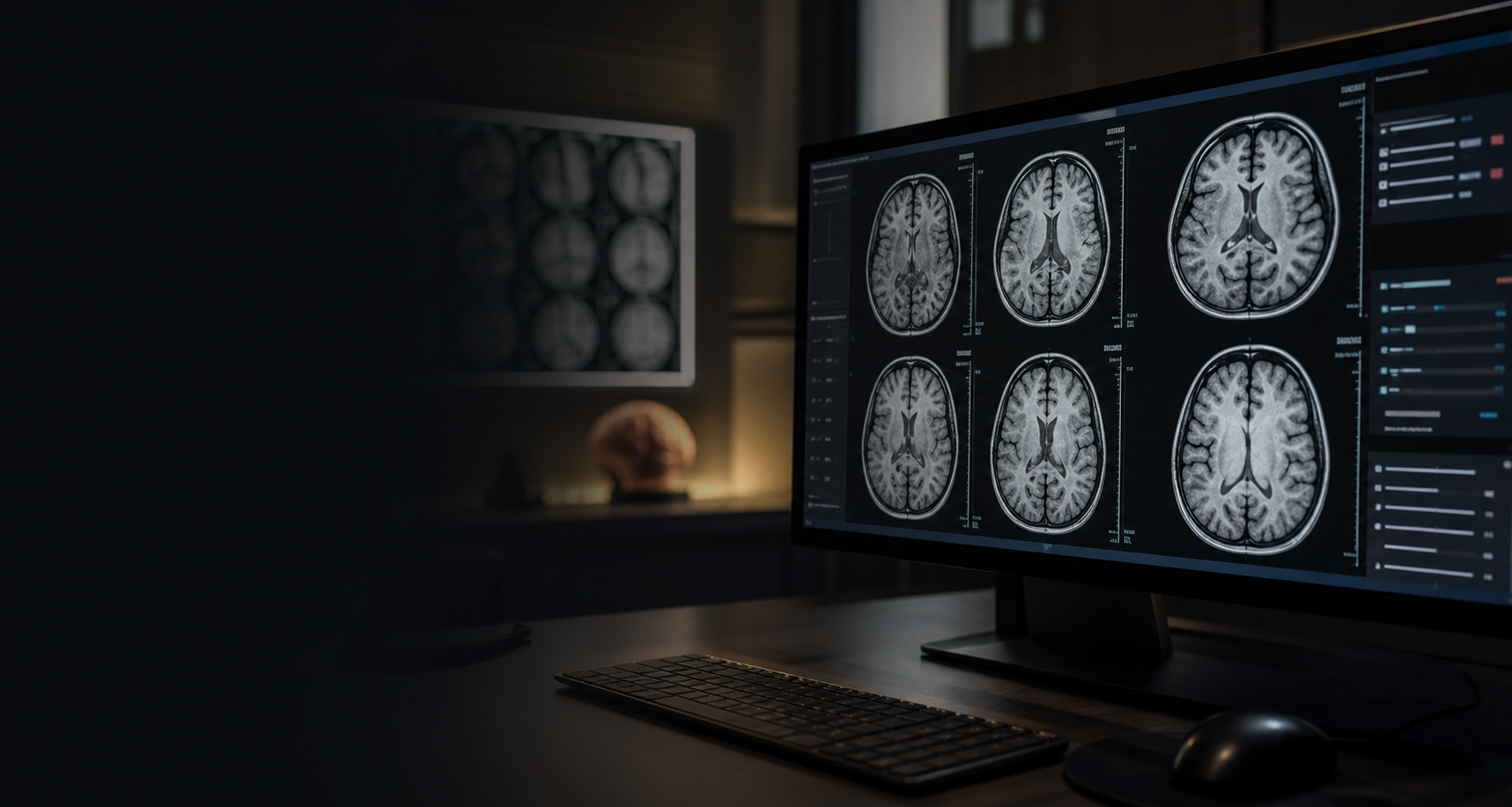
Radiology workstation showing grayscale brain MRI scan panels
MRI or CT: structural imaging can show strokes, bleeding, tumors, hydrocephalus, vascular disease, or atrophy patterns.
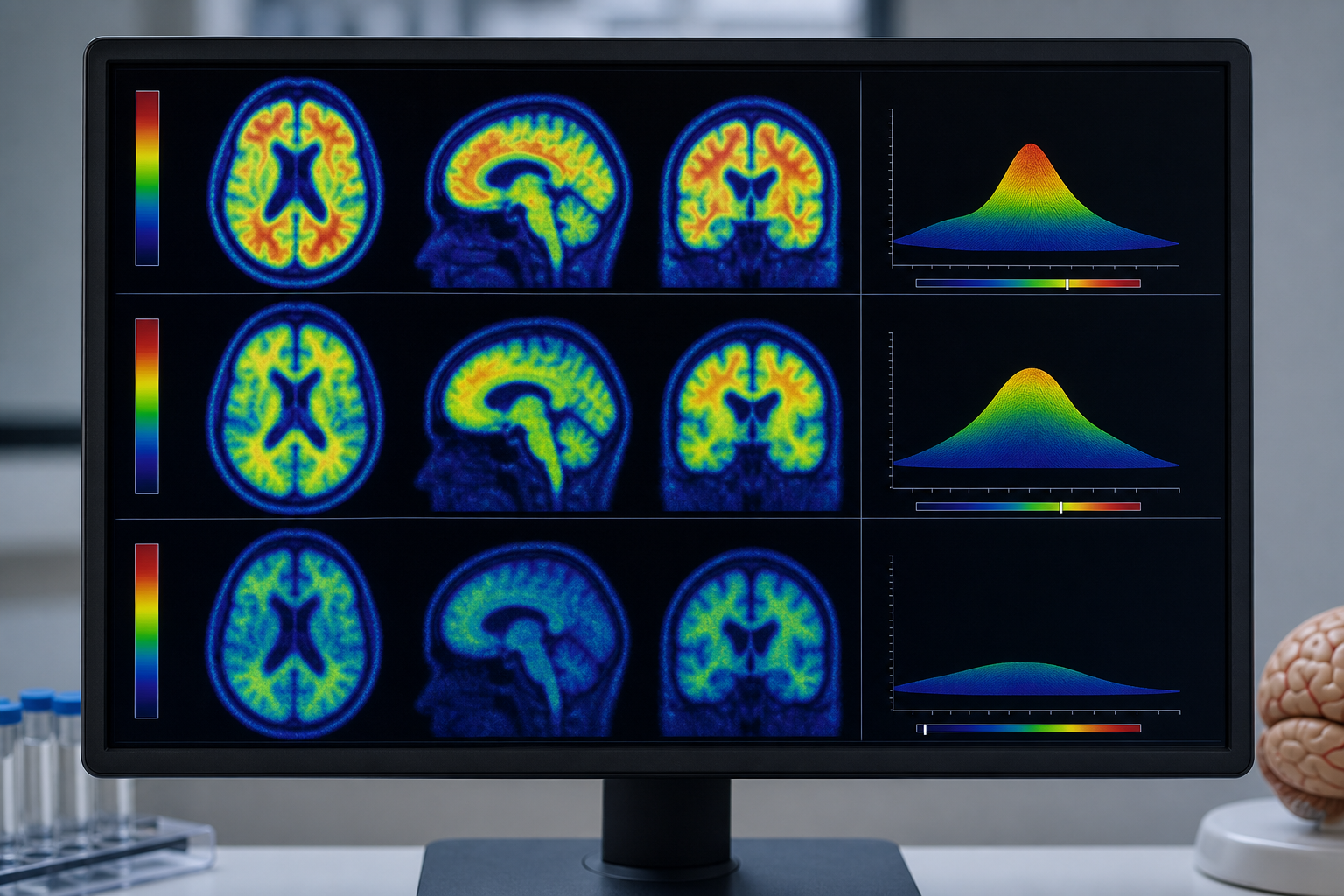
Monitor showing PET-style brain scan panels and abstract biomarker graphs
PET and biomarkers: selected tests may support Alzheimer's or other dementia diagnoses when the clinical question is specific.
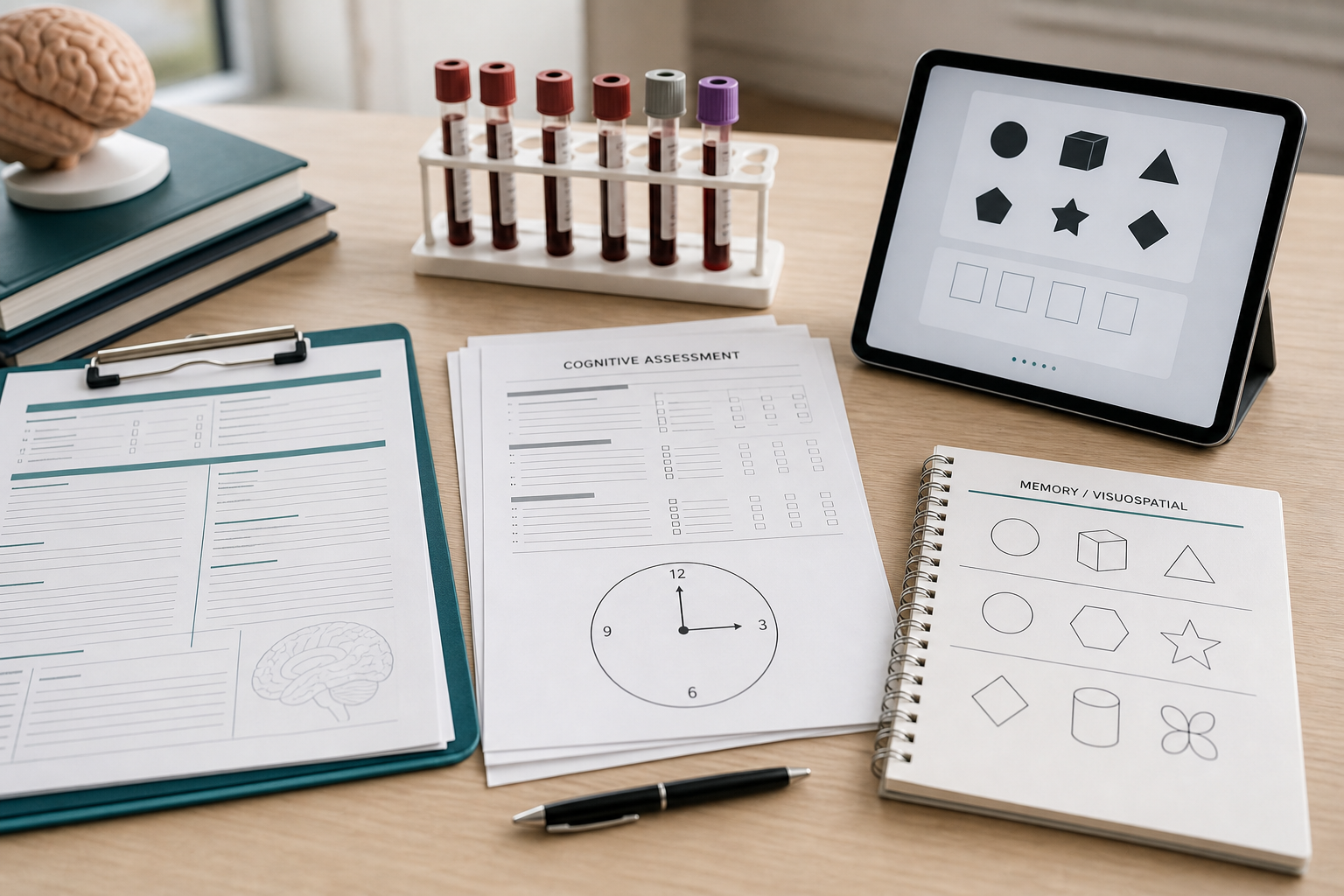
Clinical desk with cognitive testing forms, blood tubes, and tablet-based pattern task
Cognitive and lab testing: memory, language, attention, blood chemistry, sleep, mood, and medicines are all part of the workup.